
Happy Sunday Friends!
Electric Vehicle makers that went public through SPACs have experienced a roller coaster of market sentiment, recently hitting rock bottom. A combination of events including Tesla’s aggressive pricing, new rules from the European Union, and a series of production and quality control issues is to blame for the current uncertainty.
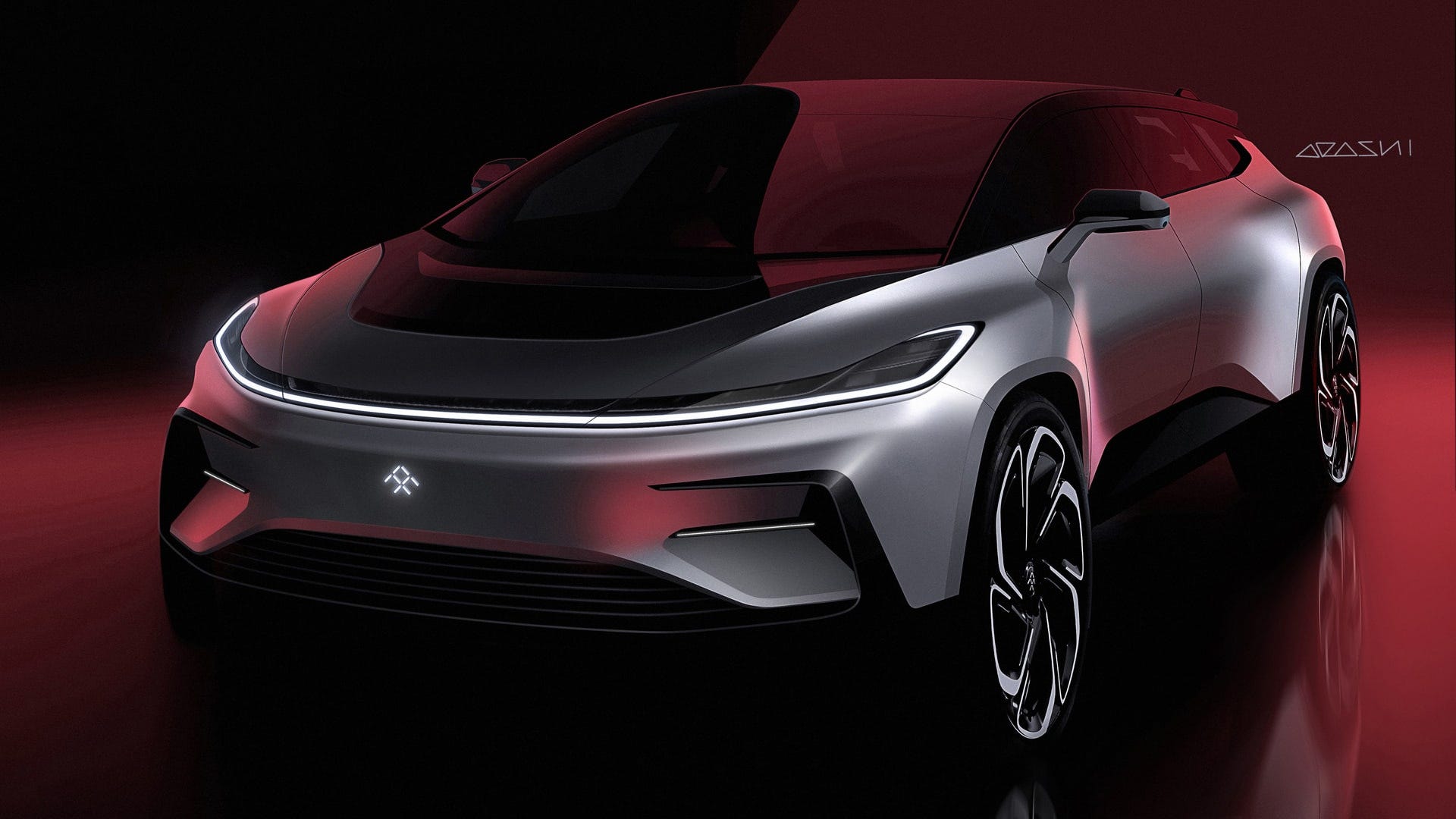
These challenges have not only impacted the earnings of the company’s that went public in the last three years, but have also led to massive losses. Now, as 2024 approaches and the first real recession looms for the sector, what’s next for these EV SPACs? And which ones can survive the perfect storm?
From Overdrive to Overhaul
EV SPAC deals have seen a barrage of skepticism over the last few months, which isn’t unwarranted given the performance of the companies that have debuted so far. Notably, EV van maker Arrival, banking on a second SPAC merger to fund its deliveries, faced disappointment as the deal unraveled, inching the company closer to bankruptcy. Similarly, Canoo is grappling with financial challenges and is resorting to another loan to sustain its production.
In a series of unfortunate events, Lordstown Motors declared bankruptcy in June, followed by a lawsuit against its production partner, Foxconn. Electric Last Mile Solution wasn’t far behind, filing for bankruptcy merely a year after its public debut. Proterra, despite its prior standing in the commercial EV sector, couldn’t evade financial challenges, declaring bankruptcy in August. IndiEV’s innovative attempt to blend gaming PCs with EVs also hit a roadblock, as the company is now facing bankruptcy after a SPAC deal imploded.

Nikola’s saga is hard to overlook. Its founder, Trevor Milton, faced charges for fraudulent misrepresentations, tarnishing the image of EV SPACs. Legal challenges weren’t exclusive to Nikola with Canoo, Faraday Future, and Polestar all finding themselves in regulatory issues, facing charges, or settling disputes relating to unrealistic financial forecasts.
Lucid Motors, despite the robust backing of Saudi’s PIF, has stumbled in its production. The company, once projected to deliver tens of thousands of vehicles, spent the better part of 2022 overcoming component shortages and logistical challenges. Contrary to early speculations of these firms dethroning Tesla, reality seems different.
Want to Find the Best EV Stocks? Try Benzinga
(Offer Expires 10-17-2023)
I use tons of trading software to help me better understand the market and make smarter trading decisions. One thing I love about Benzinga Pro is its versatility. It wasn’t built for just one type of trader but for a wide range of experienced investors like myself. I can create custom watchlists, and then quickly monitor the performance of my investments.
Some great news – Benzinga is giving all subspac readers a free two week trial!
Drive Down
Tesla, the juggernaut of the EV sector, has set a domino effect in motion with a sequence of price cuts introduced throughout the year, and there’s speculation this trend might persist into the next year. This year, the reductions for the Model S, 3, and Model X, have been notably impactful. Tesla employs dynamic, aligning real-time order influx with factory output.
Essentially, adjustments are made whenever there’s a need to balance demand with supply. Elon Musk recently reduced the Model Y Long Range’s price to $48,990. This $2,000 dip essentially rolls back the cumulative price hikes over the past two years. To put this into perspective, the same model was priced at a lofty $65,990 at the start of the year. Even with the inflationary pressures of the recent past, the car now sells at a rate below its early 2021 price of $49,990.
But the pricing revamp wasn’t limited to just the Model Y. The Model Y Performance, along with all Model 3 variants, has seen adjustments. In fact, since the year’s start, the standard Model 3 has witnessed a significant price decrease of approximately 17%. These aggressive price cuts by Tesla have ignited a fierce pricing battle, particularly at a time when the EV sector confronts its maiden recession post the SPAC-driven boom.
Companies like Lucid, Fisker, and Polestar were catapulted into prominence during the boom. Only Lucid and Polestar, with cash reserves of $2.6 billion and $1.1 billion respectively, seem better poised to survive the bust. A prolonged recession could mean that the other players might face acquisition or, worse, extinction.
Short-Circuit Diplomacy
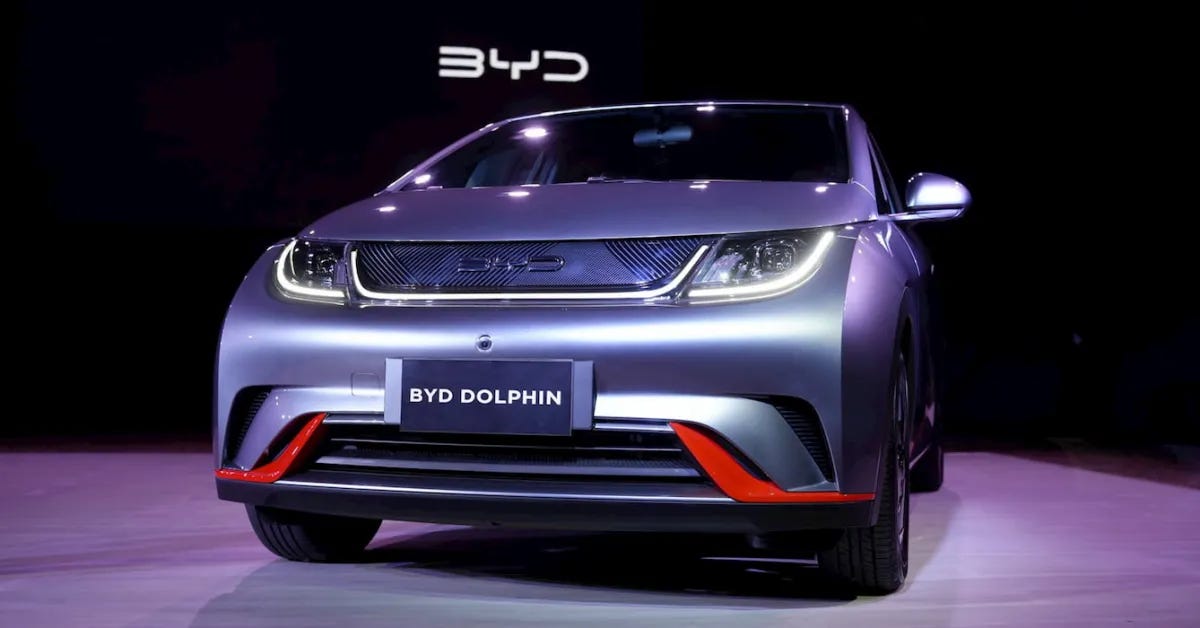
In September, tensions mounted between the European Union and China over electric vehicles, which may end in a conflict that might affect auto stocks in the short term and strain diplomatic ties in the long run. The EU’s concerns have stemmed from Beijing’s subsidies for Chinese EV manufacturers, resulting in an official investigation. The EU alleges that these subsidies have artificially suppressed prices, skewing competition in the process. Chinese electric vehicle giants, ranging from the market leader, BYD, to mid-sized companies like Nio and Xpeng, are intensifying their overseas expansion efforts.
This is a direct response to the escalating competition in their domestic market slowdown in domestic growth. The European Commission highlighted that China’s contribution to the European EV market has surged to 8%, and projections suggest it might climb to 15% by 2025. The commission also found that Chinese vehicles, such as SAIC’s MG and Geely’s Volvo, typically come with a price tag approximately 20% lower than their European counterparts.
The scope of the EU’s investigation isn’t restricted to just Chinese brands but also extends to any battery-powered vehicle produced in China. This would then include global brands like Tesla, Renault, and BMW. The real sting might be felt by companies like Polestar and Lotus, both backed by Geely. Both companies have primary production centers based in China, making them particularly vulnerable. If tariffs are imposed, their vehicles could lose competitive pricing.
Relocating from China isn’t a feasible alternative either, given the already razor-thin profit margins. Exiting the market might seem a better option than sustained financial hemorrhaging in the long run. For EV companies associated with SPACs that depend on Chinese components, this development introduces an additional layer of uncertainty heading into 2024.
Bottom Line
EV SPACs have had a tough 18 months, grappling with the real challenges of increasing production and ensuring quality. Now, with the sector facing its first big downturn since 2020, these companies are preparing for slower demand. This means they might see bigger expenses for a while as they try to increase production and reduce vehicle costs, which could impact their profits. Added to this are other concerns, like possible higher tariffs from the European Union and rising costs for materials. In short, the next few months will be crucial. They will show which companies can manage their costs and keep doing well, and which ones will have a hard time keeping up.
Source: Green Lights and Red Flags